How to Choose the Right Cargo Shipping Method for Your Business Needs
In today's globalized economy, the efficiency and reliability of your shipping methods can significantly impact your business operations and customer satisfaction. When it comes to cargo shipping, selecting the right method is crucial to ensure that goods are delivered promptly and securely. Various options are available, each with its own set of advantages and limitations, making it essential for businesses to evaluate their specific needs, costs, and timelines before making a decision.
A well-considered choice in cargo shipping can enhance operational efficiency, reduce costs, and improve overall service quality. Factors such as shipment volume, destination, and urgency play pivotal roles in determining the most suitable shipping solutions. By understanding the different cargo shipping methods available, businesses can align their logistics strategies with their overarching goals, ultimately leading to a smoother supply chain and satisfied customers. This guide aims to provide essential insights into how to choose the right cargo shipping method tailored to your business needs.

Understanding Your Cargo Shipping Requirements
When determining the right cargo shipping method for your business needs, it's imperative to first understand your specific shipping requirements. Factors such as the nature of the goods, weight, volume, and destination play crucial roles in decision-making. According to a report by the International Cargo and Freight Logistics Association, over 70% of businesses reported that mishandling of shipments could significantly impact their operations, highlighting the importance of choosing the right method. Additionally, if your cargo typically demands temperature-controlled environments, opting for refrigerated transport will be essential to maintain product integrity.
**Tips:** Consider your freight's urgency. Expedited services may come with a higher price tag but can be necessary for time-sensitive goods. Furthermore, assess your budget constraints; sometimes, cost-effective options like ocean freight, which can save substantial amounts over air freight, are ideal for non-urgent shipments.
Another vital aspect is evaluating the reliability and reputation of the shipping service providers. Data from the Global Logistics Report indicates that 60% of companies prioritize reliability over cost when it comes to their shipping methods. Ensure that providers have a proven track record for timely deliveries and effective communication to mitigate risks.
**Tips:** Always check customer reviews and ratings to gain insight into the provider's performance, and consider establishing relationships with multiple carriers to ensure flexibility in your shipping strategy.
How to Choose the Right Cargo Shipping Method for Your Business Needs
| Shipping Method |
Ideal For |
Transit Time |
Cost |
Pros |
Cons |
| Air Freight |
Urgent shipments |
1-3 days |
High |
Fast and reliable |
Expensive |
| Ocean Freight |
Bulk shipments |
2-6 weeks |
Low |
Cost-effective for large volumes |
Slow transit times |
| Truck Freight |
Domestic shipments |
1-7 days |
Medium |
Flexible routes |
Traffic delays |
| Rail Freight |
Heavy goods over long distances |
1-3 weeks |
Medium |
Environmentally friendly |
Limited to rail networks |
| Courier Services |
Small packages and documents |
1-5 days |
High |
Convenient and fast |
Not suitable for large items |
Types of Cargo Shipping Methods Available
When considering the types of cargo shipping methods available, businesses must assess their unique logistical needs. One of the most common methods is road freight, which offers flexibility and direct transportation for domestic shipments. This approach is particularly beneficial for short distances and provides the convenience of door-to-door delivery. However, businesses should consider potential traffic and road conditions that could impact delivery timelines.
In contrast, rail freight is an economical option for transporting large quantities of goods over long distances. It is often more environmentally friendly compared to road transport, making it a suitable choice for businesses focused on sustainability. While rail shipping may have limited reach and requires additional logistics for loading and unloading, it can significantly reduce transportation costs for bulk shipments.
For international shipping, ocean freight remains the most widely used method due to its capacity to carry vast quantities of cargo. This method is essential for businesses that deal with exporting and importing goods globally. Although slower than other shipping methods such as air freight, which offers expedited delivery for urgent shipments, ocean freight provides a cost-effective solution for large volumes, especially when time is less critical. Understanding the advantages and limitations of these various cargo shipping methods will help businesses to align their shipping strategy with their operational goals.
Evaluating Cost-Effectiveness of Shipping Options
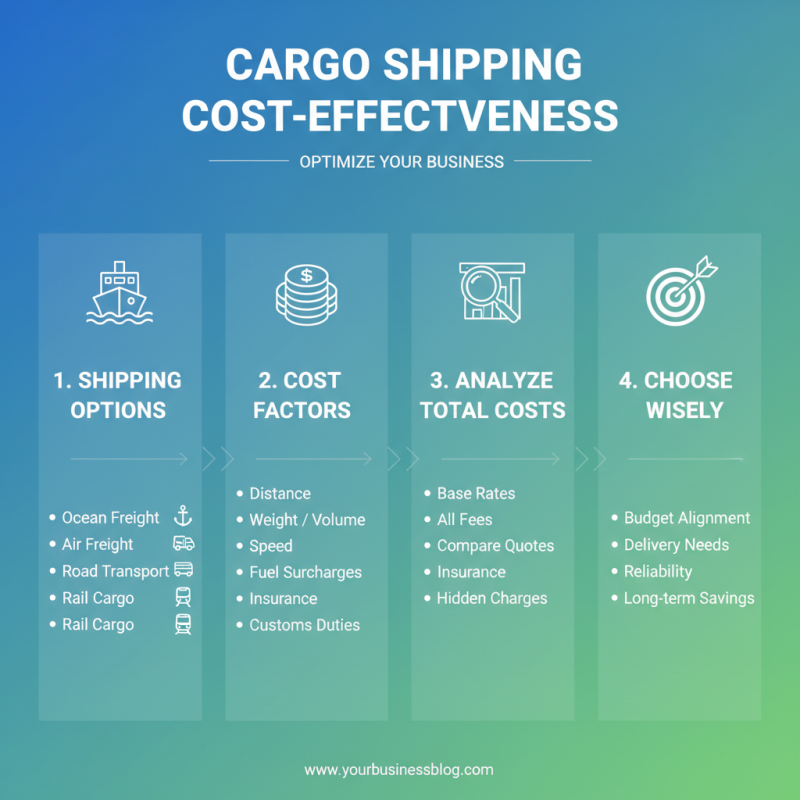
When selecting a cargo shipping method, evaluating cost-effectiveness is crucial for optimizing your business operations. Each shipping option presents a different cost structure, influenced by factors such as distance, weight, and delivery speed. It is essential to thoroughly analyze the total costs associated with each method, including base shipping rates, fuel surcharges, insurance, and potential customs duties. A detailed comparison can reveal which option aligns best with your budget while meeting the delivery requirements of your goods.
Additionally, while cost is a significant factor, it should not be the sole criterion for decision-making. Consider the trade-off between cost and reliability—sometimes, a more expensive option ensures faster delivery or better handling, which can ultimately save money by reducing the risk of delays or damages. Additionally, assess the shipping method's scalability to cater to potential increases in demand. By balancing cost-effectiveness with service quality, businesses can select a shipping method that not only fits their financial constraints but also aligns with their operational goals and customer expectations.
Assessing Speed and Reliability in Shipping Methods
When assessing speed and reliability in cargo shipping methods, it’s crucial to consider the specific requirements of your business. According to industry reports, such as the Logistics Management 2022 study, 75% of businesses indicate that delivery speed directly impacts customer satisfaction. Choosing the right shipping method involves balancing the urgency of deliveries against reliability, as delays can lead to unhappy customers and lost revenue.
Air freight is often the fastest shipping option, with typical transit times ranging from 1 to 3 days for international shipments. However, it tends to be more expensive than other methods. In contrast, sea freight may take several weeks but offers cost savings, making it ideal for shipments where time sensitivity is less critical. A balance between these options can optimize logistics costs while meeting customer expectations.
Tips:
- Evaluate Your Priorities:
Determine which factors—speed or cost—are more critical to your business strategy.
- Monitor Performance Metrics:
Regularly review shipping performance data to ensure reliability standards are met and adjust shipping methods as necessary.
- Flexibility is Key:
Consider a hybrid approach, utilizing a combination of shipping methods to cater to different products or customer demands effectively.
Regulatory Considerations for Cargo Shipping Choices
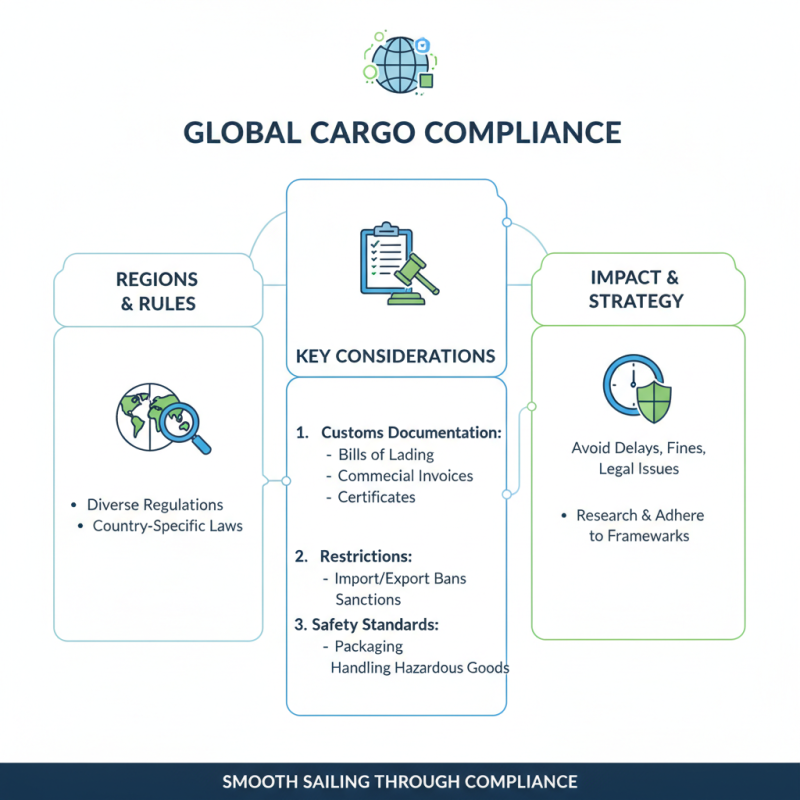
When choosing a cargo shipping method, regulatory considerations play a crucial role in ensuring compliance and smooth operations. Different regions and countries impose specific regulations that govern the transportation of goods, such as customs documentation, import/export restrictions, and safety standards. Understanding these regulations is essential to avoid delays, fines, and potential legal issues that could arise from non-compliance. Companies should thoroughly research the regulatory frameworks applicable in their target markets and ensure that their chosen shipping method adheres to these requirements.
Additionally, businesses must consider the impact of international trade regulations, trade agreements, and tariffs on their shipping methods. For instance, specific agreements may simplify customs processes or reduce import duties on certain goods. Companies should also be aware of environmental regulations that might affect shipping practices, especially regarding packaging materials and emissions. By staying informed about these regulatory considerations, businesses can make strategic decisions that not only align with their operational needs but also foster a compliant and sustainable shipping strategy. This proactive approach can enhance overall efficiency and maintain a positive relationship with regulatory authorities in their operating regions.