How to Choose the Best Logistics Third Party Provider for Your Business?
Choosing the right Logistics Third Party provider is critical for business success. Many companies overlook the significance of this decision. A poorly chosen provider can disrupt operations and impact customer satisfaction.
Experience plays a vital role in this process. Businesses should prioritize providers with a proven track record. Seek out professionals who understand industry nuances and can adapt to specific needs. Reliable logistics support not only streamlines operations but can also reduce costs.
Evaluating potential providers requires careful thought. Look for transparency in their processes. Assess their technology capabilities, communication skills, and performance metrics. It's important to reflect on any past experiences with logistics services. These reflections can guide companies toward making informed decisions. Ultimately, the right Logistics Third Party provider can elevate performance and enhance customer experience.
Understanding Your Business Logistics Needs
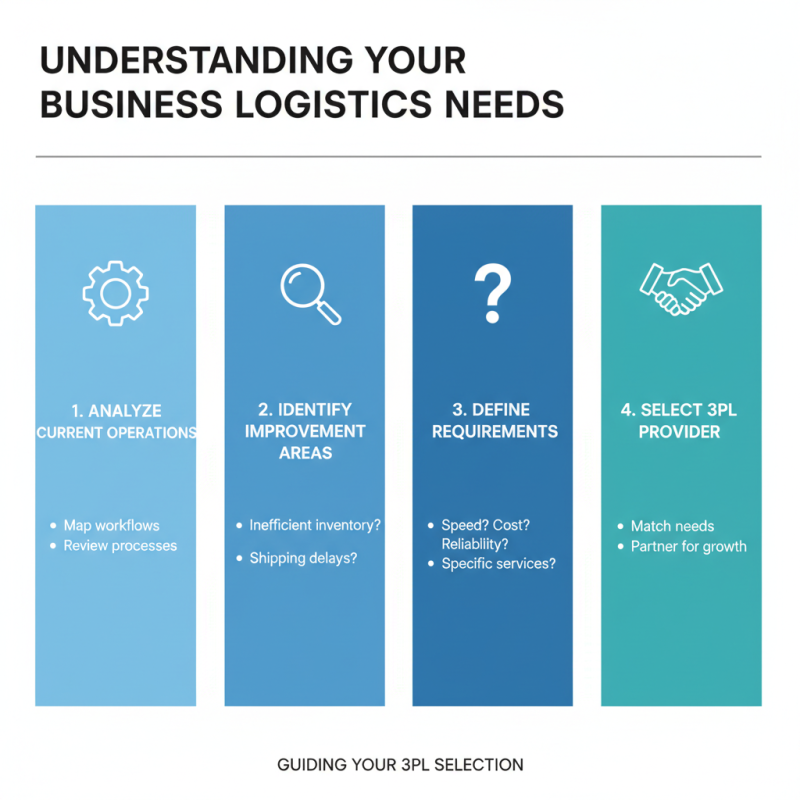
Understanding your business logistics needs is essential for selecting the right third-party provider. Start by analyzing your current logistics operations. Identify areas that need improvement. Is your inventory management efficient? Are you facing delays in shipping? These questions will guide you in determining what you truly require.
Consider the specific services you need. Do you require warehousing, transportation, or both? Understanding the volume of goods and the type of products can influence your decision. For example, perishable goods need specialized handling. If your logistics demands change frequently, choose a provider that can adapt quickly.
Don’t overlook the importance of communication. A reliable provider should offer transparency and regular updates. It’s crucial to have a partner who understands your unique logistics challenges. Engage in conversations to gauge their expertise. Reflect on your past experiences and how they align with your goals. This will help you avoid repeating mistakes and find a provider that fits your precise needs.
Evaluating Potential Third Party Logistics Providers
When evaluating potential third-party logistics providers, consider their experience in your specific industry. Look for providers that have successfully handled logistics for businesses similar to yours. They should demonstrate a strong understanding of your supply chain needs. This can reflect their ability to manage your products efficiently. Ask about their track record and request case studies that showcase their successes.
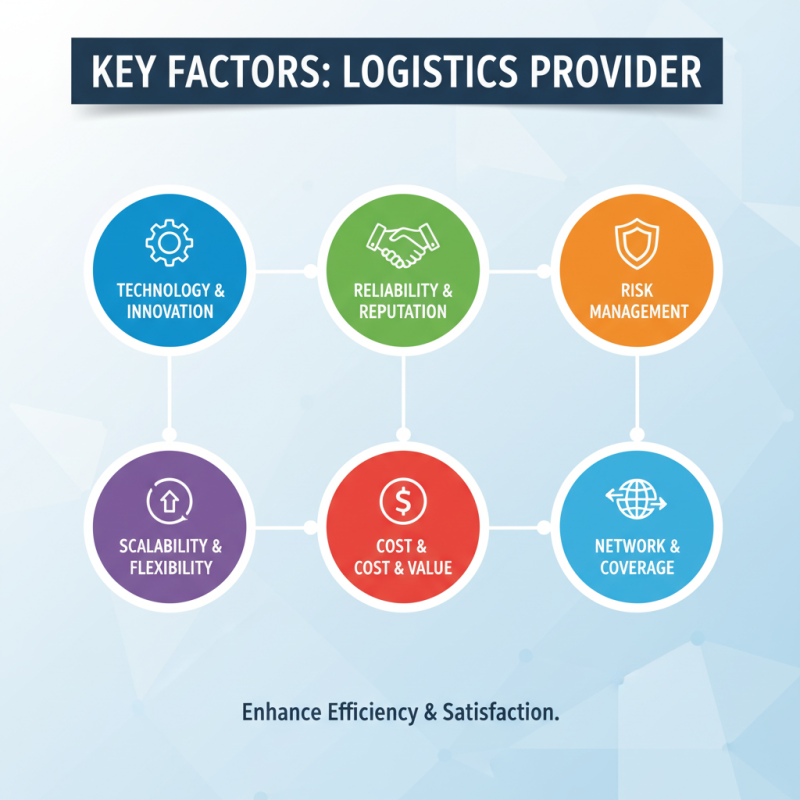
Assess their technology capabilities. A reliable logistics provider should use advanced software for inventory tracking and shipment monitoring. This can prevent delays and errors. Explore the tools they use and how these can integrate with your systems. It’s also crucial to understand their communication process. Clear communication can mitigate issues in real time. Consider their responsiveness to inquiries and whether they assign a dedicated account manager.
Evaluate their flexibility and scalability. Your business may grow, and your logistics needs could change. A good provider should adapt to your evolving requirements. Discuss how they handle peak seasons or unexpected disruptions. Reflect on their approach to customer service. A provider that prioritizes client satisfaction may be better equipped to earn your trust. Observe their willingness to listen and adapt to your feedback.
Assessing Provider Capability and Reliability
When selecting a third-party logistics (3PL) provider, assessing their capability and reliability is crucial. A reliable 3PL can significantly affect your supply chain performance. According to the 2022 Logistics Management Report, companies working with high-quality 3PLs saw a 20% improvement in delivery times and a 15% reduction in shipping costs.
One key area to evaluate is the provider’s technology. Modern logistics relies heavily on advanced software. Providers should offer real-time tracking and data analytics to enhance transparency. Lack of technological investment can indicate a weakness in operational capacity. Furthermore, it's essential to assess their experience in your industry. A logistics firm with a specialized focus can better cater to specific needs.
Additionally, consider their track record in handling disruptions. For instance, the 2021 Supply Chain Disruption Survey revealed that 45% of firms faced significant delays due to poor logistics management. Thus, ensure your 3PL demonstrates a solid plan for risk management. Ultimately, finding a provider who meets all these criteria can be difficult but is necessary for long-term success.
How to Choose the Best Logistics Third Party Provider for Your Business? - Assessing Provider Capability and Reliability
| Provider Type |
Capability Ratings (1-5) |
Reliability Scores (%) |
Service Offered |
Geographical Coverage |
| National Carrier |
4 |
95 |
Full Truckload, LTL |
North America |
| International Freight Forwarder |
5 |
90 |
Ocean, Air, Customs |
Worldwide |
| Third Party Logistics (3PL) |
4 |
92 |
Warehousing, Distribution |
Regional |
| Express Delivery Service |
5 |
97 |
Parcel Service |
Global |
Establishing Effective Communication and Collaboration Channels
Establishing effective communication and collaboration with a third-party logistics provider is crucial for business success. Clear communication channels foster trust and transparency. When both parties understand expectations, the workflow improves. Regular meetings can help align goals and resolve issues early. However, too many meetings can lead to confusion. Finding the right balance is essential.
Collaboration tools play a significant role. These tools allow for real-time updates and feedback, ensuring everyone is on the same page. A shared platform can streamline information exchange, making processes smoother. Yet, relying solely on technology may not be wise. Personal interactions are still vital in building relationships.
Feedback loops are another key aspect. Regularly sharing insights helps refine operations. Companies may hesitate to provide feedback due to fear of conflict. Encouraging open dialogue can overcome this barrier. A culture that values input and continuous improvement can lead to better logistics performance.
Logistics Third Party Provider Evaluation Criteria
This bar chart presents the evaluation criteria for selecting a logistics third-party provider. Key dimensions include Cost Efficiency, Service Quality, Technology Integration, Customer Support, and Flexibility. Each criterion is assigned a score representing its importance in the decision-making process.