Top China International Logistics Solutions for Global Buyers?
In the world of global trade, International Logistics stands as a vital link. Effective logistics solutions can bridge markets and ensure timely delivery. China, with its robust infrastructure, has established itself as a leader in providing such solutions. Buyers across the globe benefit from its advanced transport networks, efficient warehousing, and reliable shipping methods.
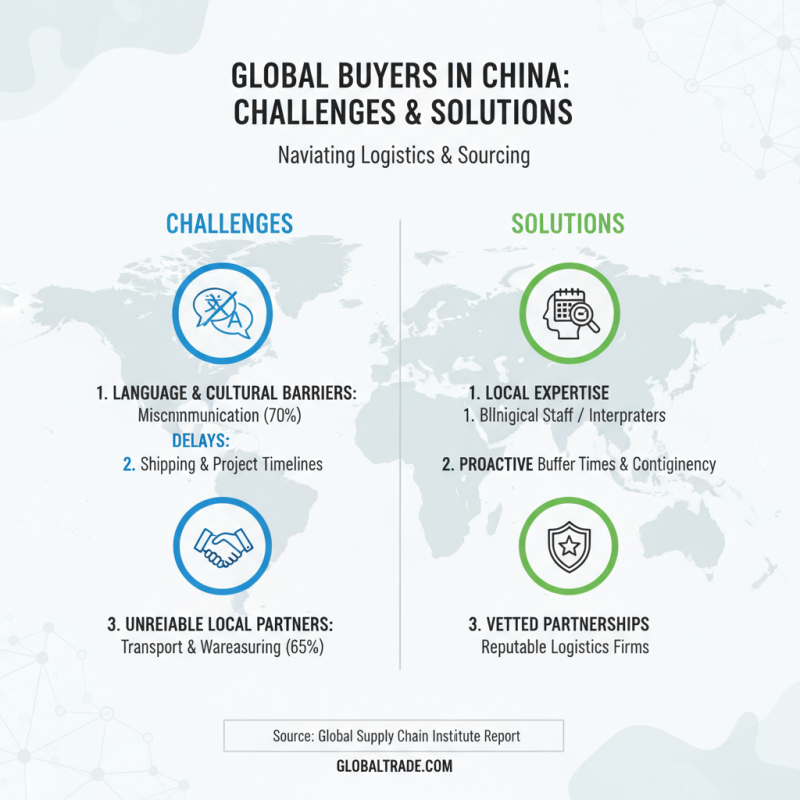
However, leveraging these International Logistics solutions is not always straightforward. Buyers must navigate various complexities, including customs regulations and language barriers. There are instances where processes may not meet expectations. Delays can occur unexpectedly, impacting timelines and costs. It’s essential for businesses to conduct thorough research and partner with experienced logistics providers to mitigate these risks.
Furthermore, understanding the dynamic nature of logistics processes is crucial. What works for one product may not work for another. Buyers need to remain adaptable, ready to reassess strategies as market demands evolve. A well-informed approach will allow global buyers to effectively tap into China’s logistics expertise, enhancing their supply chain efficiency while minimizing potential pitfalls.
Top International Logistics Solutions in China
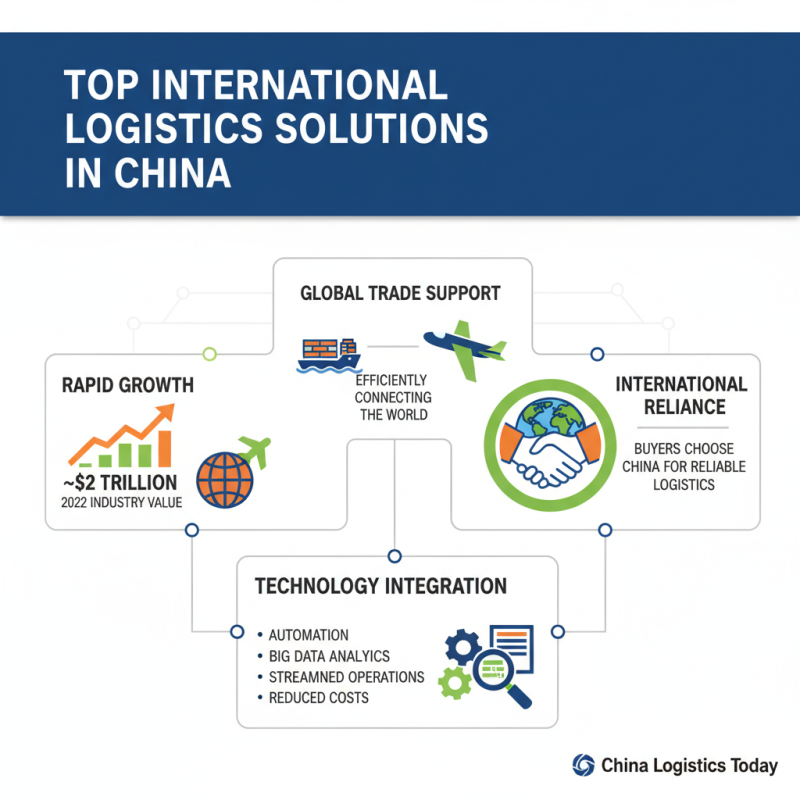
China's logistics industry has grown rapidly, supporting global trade efficiently. In 2022, the industry reached a value of approximately $2 trillion, reflecting its significance. International buyers are increasingly relying on China for reliable logistics solutions. The integration of technology has played a crucial role in improving the sector. Automation and big data analytics streamline operations and reduce costs.
The top logistics solutions in China encompass diverse services, including freight forwarding and customs clearance. These services cater to various industries, making supply chains more efficient. According to a recent logistics report, using advanced tracking systems can reduce delivery times by up to 25%. However, challenges remain. Regulatory frameworks can be complex, and navigating them requires expertise.
Moreover, environmental sustainability is becoming a pressing concern. Many logistics providers are adopting greener practices, such as electric vehicles and eco-friendly packaging. Yet, the transition is slow and can be costly. Industry standards must evolve to support these changes effectively. As global buyers seek reliable partners in China, understanding these dynamics is critical for success.
Understanding China's Logistics Infrastructure
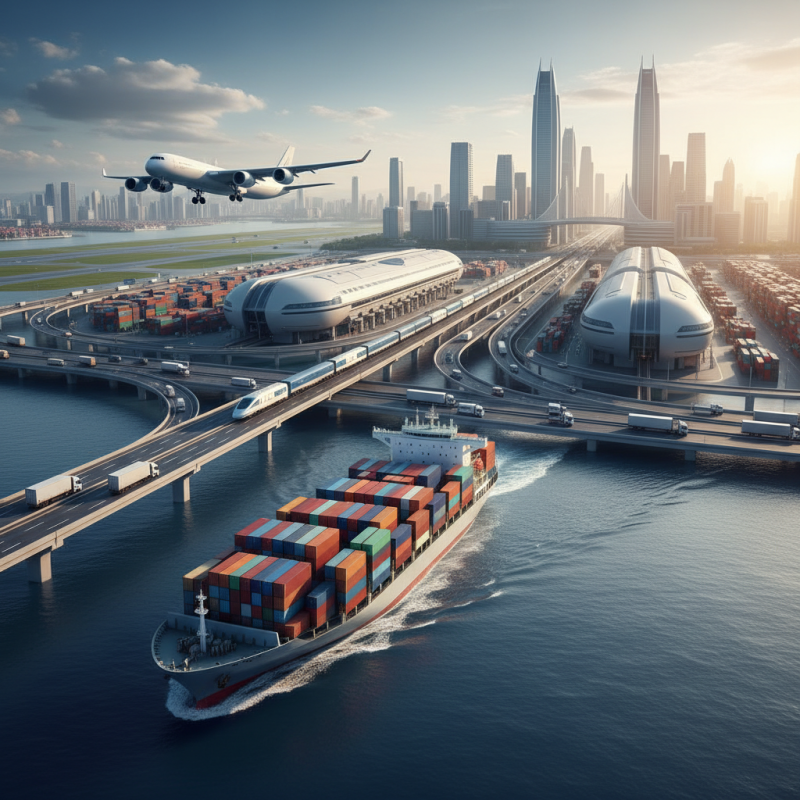
China's logistics infrastructure is vast and complex, serving as a foundation for international trade. The country's network of roads, railways, airports, and seaports facilitates efficient movement of goods. Major cities like Shanghai and Shenzhen are critical hubs, connecting global buyers with suppliers. However, navigating this infrastructure requires understanding local practices and regulations.
**Tip:** Always check for updates on policies affecting logistics. Regulations can change rapidly, impacting shipment schedules and costs. Logistics providers can help you stay informed.
The differing logistics practices across regions can be challenging. For example, northern China may have different shipping laws compared to southern areas. Additionally, language barriers might complicate communication with local partners. Keeping these factors in mind can prevent costly delays.
**Tip:** Establish relationships with locals who know the terrain. They can provide insights and help navigate challenges effectively. This local knowledge is often underappreciated yet essential for success in logistics.
Top China International Logistics Solutions for Global Buyers
Key Players in China's Logistics Industry
China's logistics industry is crucial for global trade. Several key players dominate the sector, offering diverse solutions. Companies in this space provide services that enhance efficiency and reliability. Logistics firms focus on transportation, warehousing, and last-mile delivery.
One major area of concern is the infrastructure. Poor infrastructure can lead to delays and increased costs. Global buyers should carefully assess the logistics provider's capabilities. Ensure they have established routes and reliable networks.
Tips: Always verify track records. A provider with vast experience is more likely to handle unexpected challenges. Communicate your specific needs clearly to avoid misunderstandings. Utilizing technology can optimize logistics solutions as well.
Another consideration is the evolving regulations. Understanding local laws is essential for smooth operations. Buyers may face hurdles if they overlook compliance issues. Regular updates on regulations can prevent disruptions in the supply chain.
Tips: Engage industry experts for guidance. They can offer valuable insights and help navigate complexities. Joining forums can connect you with others facing similar challenges.
Top China International Logistics Solutions for Global Buyers
| Service Type |
Coverage Area |
Average Delivery Time |
Cost Efficiency |
Technology Used |
| Air Freight |
Global |
1-3 days |
High |
Track & Trace Systems |
| Sea Freight |
Global |
15-30 days |
Low |
Routing Optimization Software |
| Rail Freight |
Asia-Europe |
10-20 days |
Medium |
Integrated Logistics Platforms |
| Road Freight |
Domestic & Regional |
1-5 days |
Medium |
GPS Tracking |
| Warehousing |
Local & Regional |
N/A |
High |
Warehouse Management Systems |
Innovative Technologies in Chinese Logistics
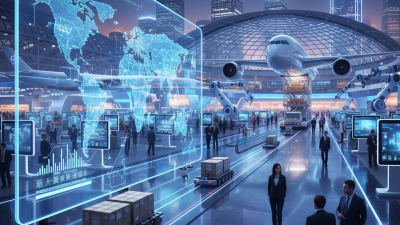
In recent years, Chinese logistics has embraced innovative technologies to enhance efficiency and sustainability. The National Bureau of Statistics of China reported a 12% increase in the adoption of AI in logistics operations. Using AI, companies can optimize routes, reducing delivery times and costs. Moreover, the Internet of Things (IoT) has transformed supply chain visibility. Real-time tracking empowers businesses to monitor shipments, minimizing delays.
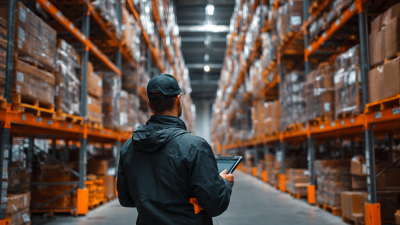
Data from various industry reports suggest that automated warehousing solutions have also gained traction, elevating warehousing efficiency by up to 30%. Robotics in sorting and packaging helps address labor shortages, especially in peak seasons. However, reliance on technology raises the need for continuous training of the workforce. Challenges remain with potential job displacement, requiring a balanced approach.
Tips: Investing in training programs can help upskill workers. Emphasizing collaboration between technology and human roles is crucial. Companies need to reassess supply chain strategies regularly, adapting to technological shifts. Technology can optimize, but critical thinking remains essential in decision-making.