What is 3PL Logistics and How Does It Work?
3PL logistics, or third-party logistics, has transformed supply chain management. According to a recent study by Grand View Research, the global 3PL market is expected to reach $1.3 trillion by 2024. This growth highlights how businesses increasingly rely on external providers to manage logistics.
Companies use 3PL services for warehousing, transportation, and distribution. This approach allows them to focus on core activities while experts handle logistics. However, not all 3PL partnerships succeed. Companies must choose partners that align with their values and needs.
In a rapidly changing market, efficiency is crucial. Many businesses have reported significant cost savings by outsourcing logistics. 3PL logistics can lead to innovation and improved service levels. However, if overlooked, poor communication can result in delays and frustrations. The success of 3PL logistics requires careful planning and ongoing evaluation.
What is 3PL Logistics?
3PL logistics, or third-party logistics, refers to outsourcing logistics services to a third-party provider. This model allows businesses to focus on their core activities while experts handle storage, transportation, and distribution of goods. In today’s competitive market, many companies find 3PL essential for efficiency and scalability.
Using 3PL can streamline operations. It often reduces costs associated with warehousing and shipping. Companies can leverage the extensive networks and resources of logistics providers. However, there can be downsides. Not every provider offers the same level of service. Communication issues may arise, leading to delays. Trust becomes crucial when selecting a 3PL partner, as the relationship impacts the entire supply chain.
Physical assets and technology play a role in 3PL efficiency. Facilities must be modern and capable of meeting diverse needs. Inventory management systems need to be robust. Yet, reliance on external partners can sometimes lead to a lack of control. Companies should weigh the benefits against potential risks involved in outsourcing logistics. Each decision requires reflection and careful planning.
Key Components and Functions of 3PL Services
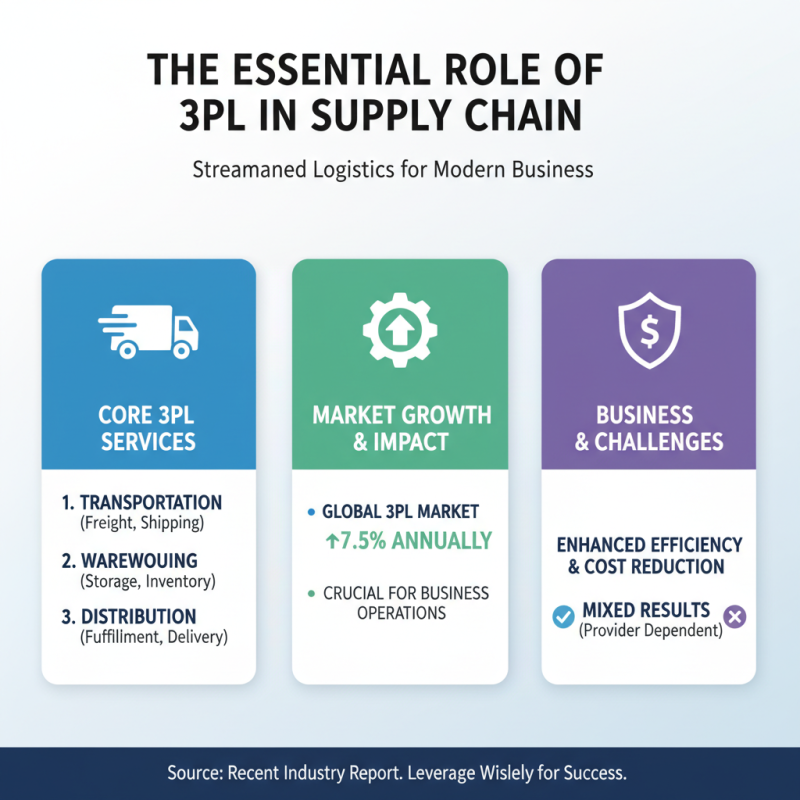
3PL (third-party logistics) services play a crucial role in modern supply chain management. These services handle various logistics functions, including transportation, warehousing, and distribution. According to a recent industry report, the global 3PL market is projected to grow by 7.5% annually, indicating its essential role in business operations. Companies leverage 3PL to enhance efficiency and reduce costs, but results can be mixed.
Key components of 3PL services include transportation management, which ensures timely delivery, and inventory management, which optimizes stock levels. In fact, effective inventory management can reduce holding costs by up to 25%. Additionally, technology is a critical function. 3PL providers are increasingly adopting advanced tracking systems, which improve transparency. However, integration issues exist, potentially leading to discrepancies in data.
Communication is another vital aspect. Clear dialogue between businesses and their 3PL partners can prevent misunderstandings. Yet, many companies struggle with this. Some businesses report that their 3PL partners do not meet expectations, leading to costly delays. Continuous evaluation and adjustment of these partnerships are necessary for improving performance and addressing shortcomings.
The Process of 3PL Logistics: Step-by-Step
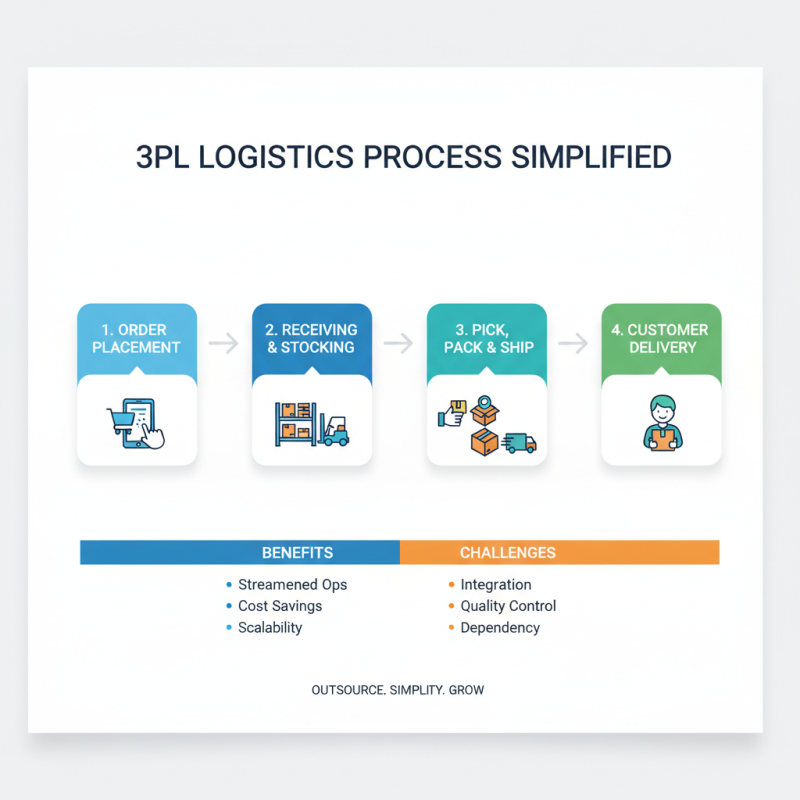
3PL logistics, or third-party logistics, involves outsourcing logistics operations. The process starts with a customer placing an order. Once received, the 3PL provider picks, packs, and ships the products. This service streamlines operations but can introduce some challenges.
Tip: When selecting a 3PL provider, evaluate their experience. Ask for references. This will help ensure they can meet your needs effectively.
Next, inventory management becomes crucial. The 3PL monitors stock levels and replenishes items as needed. Poor management can result in stockouts or excess inventory. This could affect customer satisfaction.
Tip: Regularly review your inventory strategy. Adjust it based on sales trends and data insights. Make sure to involve your 3PL provider in these discussions.
Finally, tracking shipments is essential. Customers want real-time updates on their orders. If a shipment is delayed, communication is key. Remember, not all 3PLs have the same technology. It’s worth ensuring your provider can meet your tracking needs.
Benefits of Using 3PL for Businesses
Using third-party logistics (3PL) can significantly boost a business's efficiency. According to a 2022 report by the Council of Supply Chain Management Professionals, 79% of companies using 3PL services experienced improved customer service. These firms benefit from expert support, specialized technology, and scalable solutions. With their help, businesses manage fluctuating demands more effectively.
Efficiency is a major draw. A study by Logistics Management found that companies relying on 3PL reduced their logistics costs by an average of 10-15%. This is a noteworthy figure. It emphasizes how outsourcing logistics allows companies to focus on core activities. Moreover, many 3PLs offer integrated solutions, which means a smoother operation. However, not every company finds immediate success with 3PL. Some face issues with integration and transparency.
Tip: Before selecting a 3PL provider, assess their technological capabilities. Are they compatible with your current systems?
Flexibility is another advantage. As markets change, 3PLs can quickly adapt. They provide access to global networks and localized expertise, which can be priceless. However, the versatility of 3PL arrangements may lead some businesses to overlook essential details. Failing to communicate expectations clearly can result in misalignment.
Tip: Set clear performance metrics. Regularly review these to ensure alignment with your goals.
What is 3PL Logistics and How Does It Work? - Benefits of Using 3PL for Businesses
| Dimension |
Description |
Benefit |
| Cost Efficiency |
Outsourcing logistics reduces operational costs. |
Helps businesses save resources and cut down on expenses. |
| Scalability |
Adjust logistics needs according to demand fluctuations. |
Supports businesses in scaling operations smoothly. |
| Expertise |
Access to professional logistics services and technology. |
Enhances efficiency through expert management. |
| Flexibility |
Ability to adapt logistics solutions to specific business needs. |
Allows businesses to tailor services for optimal performance. |
| Technology Integration |
Utilizing advanced logistics software and tracking systems. |
Improves visibility and control over the supply chain. |
Choosing the Right 3PL Partner: Factors to Consider
When choosing a 3PL partner, several factors come into play. Cost is often the first consideration. However, the cheapest option may not always deliver the best service. Balance your budget with the level of expertise needed for your logistics. Remember, saving money today might lead to greater expenses tomorrow through poor service or delays.
Reliability is crucial. Research potential partners’ track records. Look for testimonials and case studies. These will provide insight into their operational efficiency. A partner with a history of missed deadlines can harm your business reputation. Consistency in delivery and service is more important than it seems.
Tips: Evaluate their technology capabilities. Modern logistics rely on data and tracking solutions. A partner with outdated systems can bottleneck your operations. Make sure they can integrate seamlessly with your existing platforms. Also, assess their scalability. As your business grows, your logistics needs will too. Choose a partner who can adapt to your changing requirements. Reflect on these aspects carefully; they can set the stage for your success.
3PL Logistics Performance Metrics